
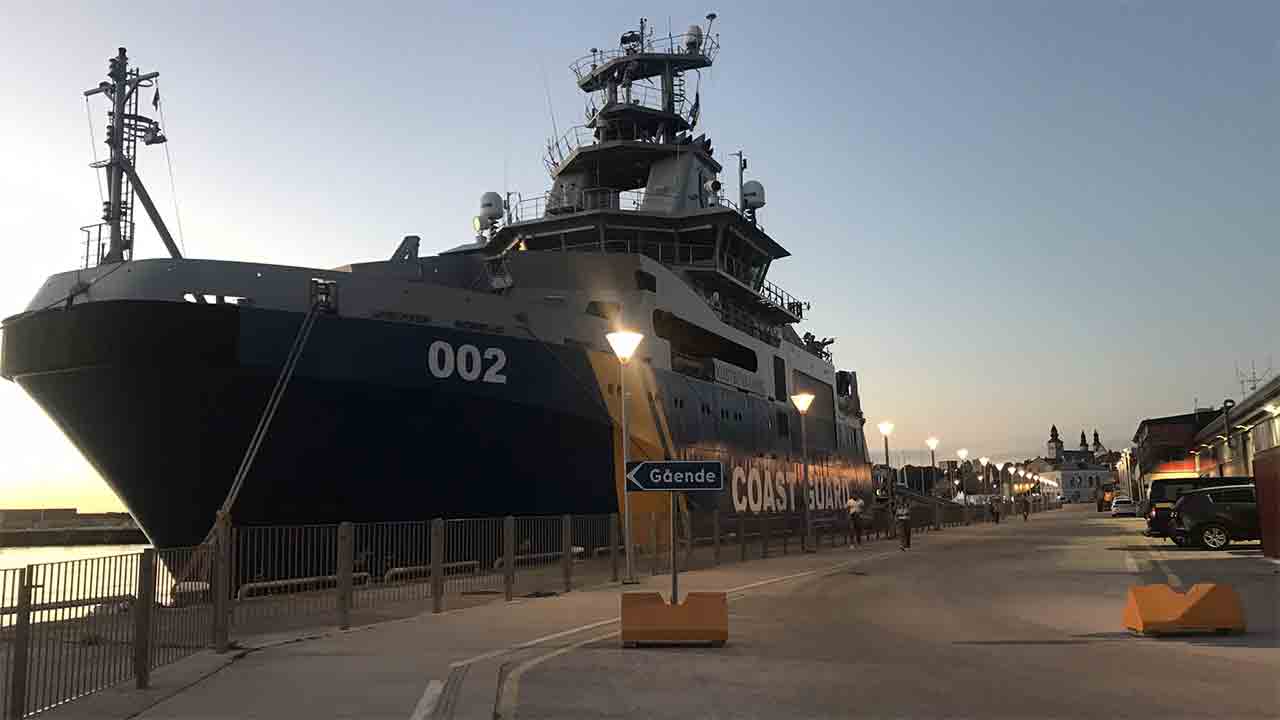
The Swedish Coast Guard has launched a new phase in strengthening its fleet by equipping vessels with KSP 58 machine guns in response to the worsening security environment in the Baltic Sea. The first vessel to receive the upgrade was KBV 002 Triton, based in Slite on the island of Gotland, one of Sweden’s most strategically important locations in the region.
The move was officially unveiled in the port of Visby, where the vessel appeared with its upgraded armament. The most striking visual detail is the machine gun mounted on the deck of a ship traditionally associated with patrol duties, maritime law enforcement, environmental protection, and support for civilian operations. The image reflects a new reality: in the Baltic Sea, even coast guard assets are now operating in a significantly higher-risk environment.
The Swedish Coast Guard emphasizes that it has no direct combat role during peacetime. However, in the event of a large-scale war, its units may be called upon to support the Swedish Armed Forces. In practice, this means protecting ships, crews, and critical maritime infrastructure now requires a stronger capability to respond to hybrid threats, suspicious vessels, and potential sabotage operations.
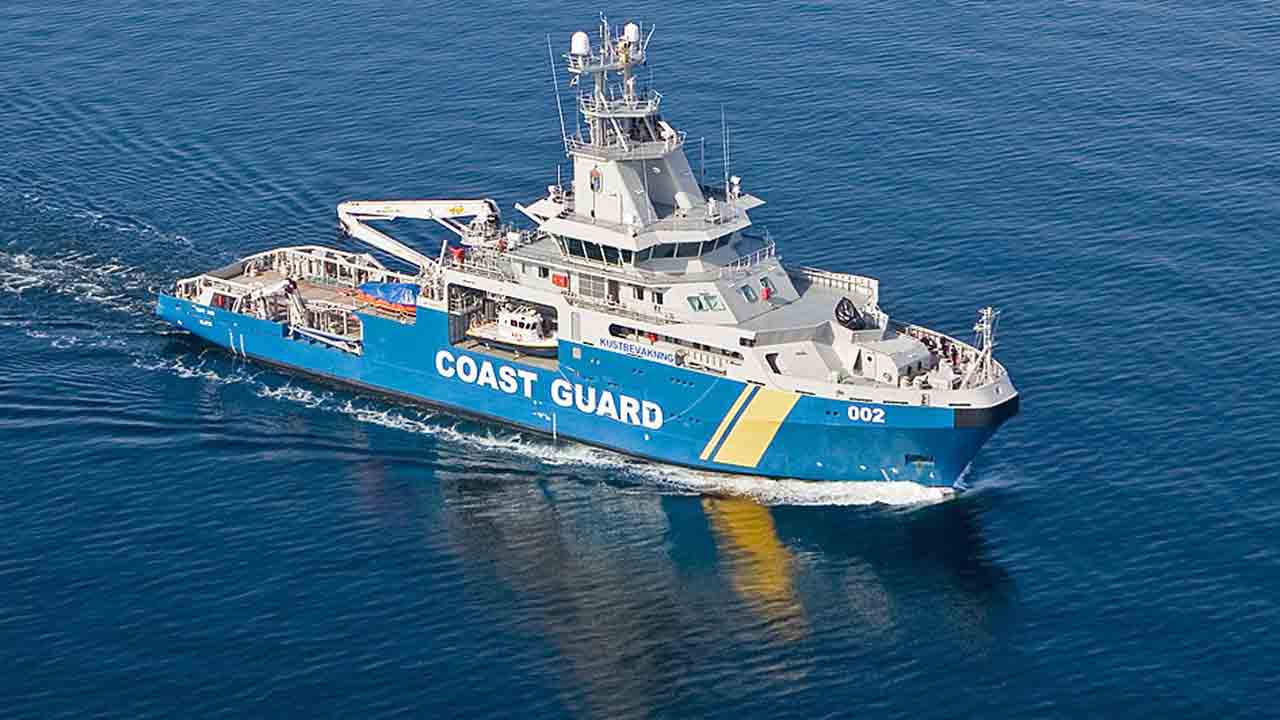
The significance of this decision extends far beyond the weapons themselves. The Baltic Sea has become one of Europe’s most closely monitored regions following the escalation of tensions with Russia and Sweden’s accession to NATO. The area contains vital shipping routes, undersea communication cables, gas pipelines, strategic ports, and heavy naval traffic. Due to its central location in the Baltic, Gotland is regarded as a key asset for surveillance, logistics, and maritime control.
In recent years, undersea cables and other critical infrastructure in the region have suffered damage amid suspicions of sabotage. At the same time, European authorities have stepped up monitoring of vessels linked to Russia’s so-called “shadow fleet,” consisting of civilian ships used to circumvent sanctions, transport oil, or operate with limited transparency. The Swedish Coast Guard plays a direct role in this effort through boardings, inspections, and monitoring of suspicious vessels.
The modernization is not expected to stop with the machine guns installed aboard the ships. According to released information, some personnel may also receive automatic rifles, while the integration of additional weapon systems on deck remains under evaluation. This reflects the Coast Guard’s gradual adaptation to a gray zone between public security, infrastructure protection, and national defense.
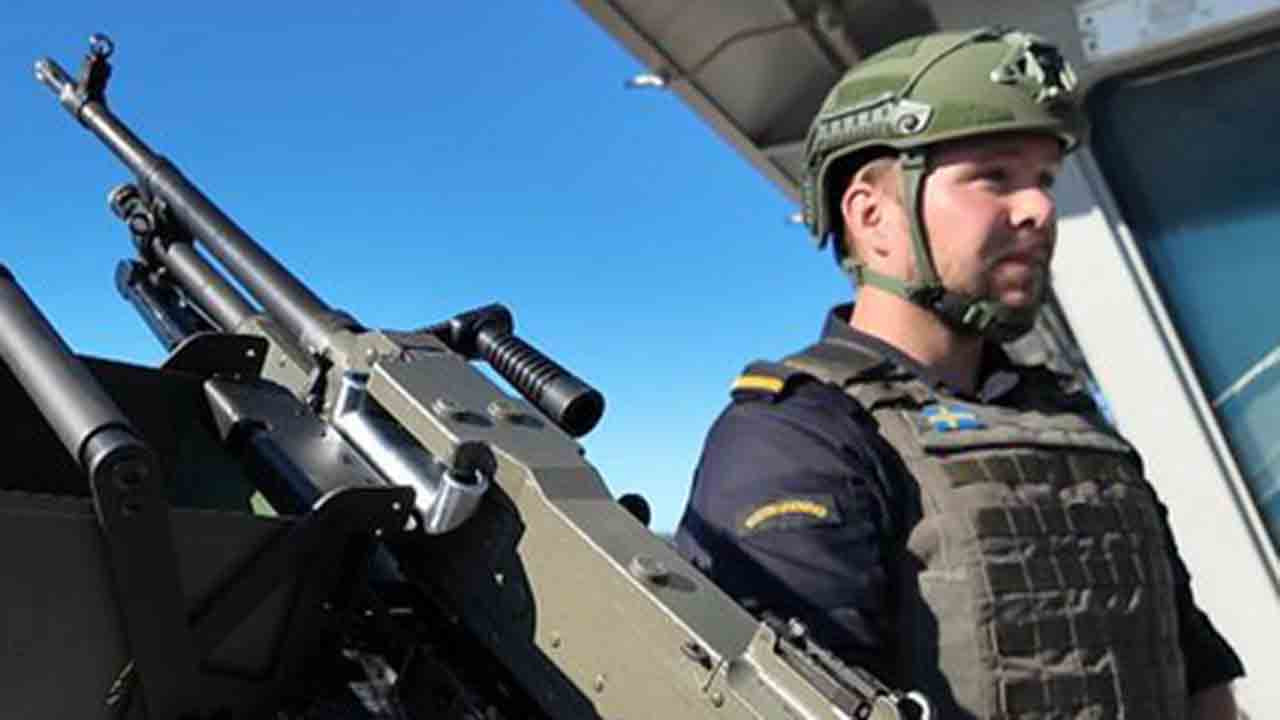
The KSP 58 is a general-purpose machine gun widely used by the Swedish Armed Forces. It is the Swedish version of the FN MAG family of weapons, which has served for decades as a support weapon across multiple platforms. In the naval context, its primary purpose is to strengthen the close-range protection of the vessel and its crew during potential threats without transforming the Coast Guard into a conventional combat force.
The change does not mean Sweden is turning its Coast Guard into a parallel navy. Rather, it reflects the Baltic’s new security reality: hybrid threats, sabotage, pressure on undersea infrastructure, and maritime activities that are increasingly difficult to classify as purely civilian or military.
With the modernization of KBV 002, Sweden is sending a clear message that protecting its maritime domain is no longer solely about law enforcement. In today’s environment, patrol vessels must be prepared to operate in increasingly complex scenarios, where a routine boarding can quickly evolve into a national security incident.
+ Video: Mechanic reveals chronic Lincoln flaw that mixes oil and coolant
Source and images: Svt.se | Militarnyi | Kustbevakningen, X @Kustbevakningen. This content was created with the assistance of AI and reviewed by the editorial team.
